
News
Celebrating National Credit Awareness Month

March is the start of spring, which means the chilly weather is subsiding, the days are getting longer, and you might even begin planning your summer plans. But March is also National Credit Awareness Month. While cleaning out your gutters or planting seeds might be on your to-do list, this month serves as a vital reminder to perform a different kind of maintenance: a deep dive into your financial health.
But what exactly is National Credit Awareness Month, and why does it deserve a spot on your calendar?
What is National Credit Awareness Month?
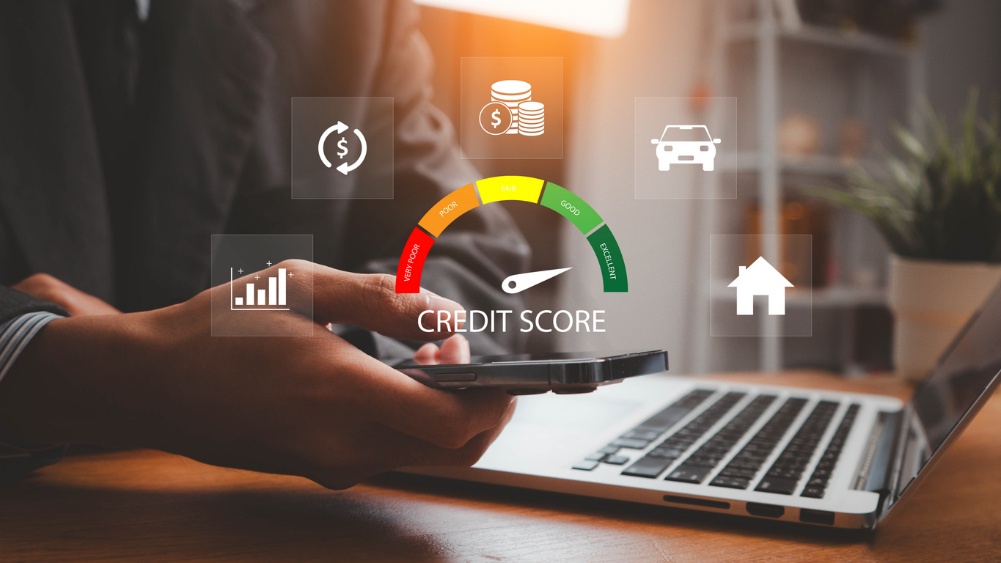
National Credit Awareness Month is an annual campaign dedicated to educating consumers about the importance of credit and how it impacts their daily lives. In a world where your credit score can influence everything from the apartment you rent to the interest rate on your car loan, understanding how credit can work for or against you is essential.
Throughout March, financial institutions, non-profits, and educators focus on three core pillars:
- Transparency: Encouraging people to check their credit reports for errors.
- Education: Teaching the mechanics behind credit scores and debt-to-income ratios.
- Empowerment: Providing tools to help people improve their credit standing.
Why Does It Exist?
The initiative exists because, for many, the world of credit is shrouded in mystery and anxiety. Many adults navigate their financial lives without ever receiving formal education on how credit works. This lack of knowledge can lead to costly mistakes, such as high-interest debt or missed opportunities for homeownership.
National Credit Awareness Month aims to bridge this gap. It exists to remind us that credit is more than a number—it’s a financial tool, and it represents your financial reputation. Lenders, landlords, insurers, and even some employers may use credit information to assess responsibility and risk. A strong credit profile may lower borrowing costs and might improve access to housing and utilities without hefty deposits.
When managed correctly, credit has the potential to provide a safety net and a ladder to wealth-building. When misunderstood, it can become a significant barrier to progress. The goal of this month is to foster a more financially literate society where individuals feel in control of their economic destiny.
How to Participate
You don’t need to be a financial expert to celebrate. Start with these three simple steps:
- Check Your Report: You are entitled to a free credit report from each of the three major bureaus (Equifax, Experian, and TransUnion). Use this month to ensure there are no inaccuracies or signs of identity theft.
- Audit Your Utilization: Aim to keep your credit card balances below 30% of your total limit. This is one of the fastest ways to see a positive move in your score.
- Set Up Autopay: Payment history is one of the most significant factors in your credit score. Ensure you never miss a due date by automating at least your minimum payments.
What’s Next?
National Credit Awareness Month is the perfect time to take the first step toward a healthier financial future. Whether you are rebuilding after a setback or maintaining a healthy financial balance, awareness is a great asset. Reach out to us today to take a closer look at your finances.
SWG 5119644-0126

Budding startups: Tips for Entrepreneurs Before Launching Their Idea
Launching a budding startup is an exciting venture that offers plenty of potential rewards but also risks. However, it’s a complex process that requires careful planning and preparation. As an entrepreneur, your confidence largely depends on your ability to anticipate challenges and make well-informed decisions. Here are some tips for entrepreneurs you should consider before launching your startup.

Determining How Much to Give to Charities During Retirement
Retirement brings many significant lifestyle changes, shifting daily routines, and adjusting financial patterns. This stage of life also presents an opportunity to reassess one’s contributions to society. Retirees often consider how much to give to charities now that they’re retired. However, the answer to this question can be determined by many factors, including financial health, personal beliefs, and the particular causes one wishes to support. Here is what to consider if you want to give to charity during retirement.

7 Tips to Help Couples Build a Financial Future Together
Planning for and building a financial future as a couple is crucial to a life together. It reflects good financial management skills and is vital in strengthening the bond of trust and understanding in a relationship.

How to Get Organized for Tax Season
It’s that time of the year again when taxpayers must organize their finances, prepare their paperwork, and file their annual tax returns. Getting organized for tax season may seem challenging, but with the proper planning and tools, it can be manageable—even easy. This article shares some valuable tips for preparing to navigate tax season appropriately.

President’s Day- Financial Lessons from Past U.S. Presidents
On a day dedicated to acknowledging the services of our nation’s past presidents, it’s also an opportunity to glean key financial lessons from their experiences and practices retrospectively.

Financial Wellness: How to Show Your Finances Some Self-Love
In the quest for wellness- physical and mental- it is easy to overlook an equally fundamental aspect of our lives: financial wellness.

The Economic Impact of Valentine’s Day
Each year, love and commerce converge for the holiday known as Valentine’s Day. Not merely a day of expressing love and affection, Valentine’s Day is now a substantial economic event that impacts various sectors worldwide. In this article, we can delve into the economic impact of Valentine’s Day and the industry that surrounds it.

Financial Resolutions Check-in: Are You Making Progress?
As we navigate the year, we must pause and reflect on our progress, particularly concerning the New Year’s resolutions and financial resolutions we set at the beginning of the year. A check-in gives us a rush of accomplishment, a clearer understanding of our goals, and a rejuvenated drive to work toward them.

Comprehensive Ways to Navigate Your Retirement Savings
To navigate your retirement savings can be a challenging process due to the inherent complexities and the multitude of factors that tend to affect the most confident plan.